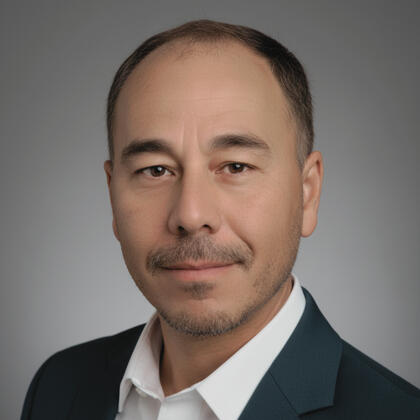
Physician-Neuroscientist-Author | Seeking Causes & Cures for Insomnia | Neurocoach
My name is Dr. Rovshan Ismailov. I am a medical doctor and neuroscientist with a PhD from the world-renowned University of Pittsburgh, a Master’s degree from Boston University and extensive research training from Brown University. For years, I conducted neurocognitive research on Alzheimer’s disease, traumatic brain injury, cognitive dysfunctions and other important health issues, publishing my findings in prestigious journals like Annals of Neurology and Alzheimer’s Disease and Associated Disorders. I have always strived to be innovative, proposing something that will open up new directions—whether in research, treatment, or diagnosis.I have extensive backgroud in neuroscience. I proposed a groundbreaking hypothesis linking hypoxia (low oxygen levels), geographic altitude, the hormone erythropoietin (EPO), and brain diseases such as Alzheimer's disease and traumatic brain injury. When the brain doesn't get enough oxygen—which often happens in these diseases—the body makes more EPO. This hormone then acts like a natural shield for brain cells. At higher altitudes, the thinner air means less oxygen, so the body naturally produces more EPO to help make extra red blood cells and carry oxygen better. This idea was groundbreaking because it suggested that living higher up could actually lower the risk of tough brain diseases like Alzheimer's. Before, most people thought low oxygen only hurt the brain, but my hypothesis pointed to EPO as a built-in shield that turns on stronger at altitude. This opened doors to new ways of thinking about prevention and treatments—maybe even using safe EPO-like options—for brain conditions that don't have good cures yet.My project "New Insights into the Mechanism of Alzheimer’s Disease: A Multidisciplinary Approach" represented my pioneering exploration into the complex pathogenesis of Alzheimer’s disease (AD), where I integrated intricate vascular factors, advanced mathematical modeling of biomechanical and hemodynamic processes, and broader pathophysiological insights to reveal the profound connections between cardiac pathologies and neurodegeneration.In this work, I demonstrated how atherosclerosis, arterial stiffness, and altered flow dynamics—particularly in curved vessels such as the Circle of Willis—disrupt cerebral perfusion and contribute to the accumulation of amyloid-beta (Aβ) and tau hyperphosphorylation, the hallmark features of AD. Through innovative applications of mathematical models, including the Dean number to quantify secondary flow patterns in vascular geometry, I elucidated the mechanisms by which chronic hypoperfusion and endothelial dysfunction create a pro-amyloidogenic environment in the brain. I further established the heart-brain axis as a central driver of disease progression, showing how various cardiac conditions—such as atrial fibrillation, coronary artery disease, heart failure, and systemic atherosclerosis—predispose individuals to Alzheimer’s pathology. These cardiac disorders promote embolic events, reduced cerebral blood flow, blood-brain barrier breakdown, neuroinflammation, and mitochondrial impairment, all of which accelerate cognitive decline.As a professional medical educator, I’ve had the privilege of teaching advanced treatment protocols to cardiologists, oncologists, hematologists, gastroenterologists, and rheumatologists across the country. There, I led multiple regional educational initiatives focused on raising awareness of shared decision making and biosimilars among gastroenterology team members, educating rheumatology patients on biosimilars, including safety, immunogenicity, and interchangeability, increasing oncology/hematology team knowledge of combination therapies for acute myeloid leukemia and many other. Our educational reports appeared in such prestigious peer-reviewed medical journals as "Expert Opinion in Biological Therapy", "Future Oncology" etc.My background is uniquely ideal for neurocoaching because it integrates four powerful elements that very few possess: the clinical perspective and diagnostic rigor of a medical doctor, elite-level neuroscience research, innovative thinking that challenges medical paradigms, and proven experience educating specialist physicians on complex therapies. This exceptional combination allows me to view sleep challenges through a true medical lens—understanding underlying physiological mechanisms—while translating advanced brain science into practical, actionable strategies. My years teaching physicans and medical staff have honed my ability to explain intricate concepts clearly and inspire lasting change, and my direct work with hundreds of insomnia sufferers has given me the empathy and insight to personalize every approach. As your neurocoach, I bring this rare medical-neuroscience-education blend to create tailored pathways that reprogram your mind and body for deep, restorative rest—rooted in real clinical understanding, proven in practice, and delivered with the warmth of someone who truly knows both the science and the human struggle.My sessions typically include three integrated components, carefully designed to tackle insomnia from multiple angles for real, lasting results:Medical EvaluationWhile excellent holistic and psychological support can make a big difference, if an underlying medical issue is driving your sleep problems, techniques like breathing exercises or mindfulness alone won't fully resolve them. There are dozens of common medical contributors to poor sleep and insomnia, including hormonal imbalances (e.g., thyroid dysfunction, low testosterone), chronic respiratory conditions (e.g., bronchitis or asthma), fibromyalgia, atrial fibrillation, irritable bowel syndrome (IBS), chronic kidney disease, and many others. As a medical doctor, I'll carefully assess whether you may need targeted medical attention to identify and address any deeper physiological causes.Mental/Psychological SupportDrawing from my MD training and experience helping hundreds of clients overcome insomnia, I address the underlying psychological factors that disrupt sleep. For example, many people carry negative "emotional programming" — deeply ingrained, distorted self-stories shaped by early experiences — that profoundly shape adult behavior, relationships, and mindset. These patterns frequently fuel elevated anxiety, rumination, and hyperarousal, ultimately impairing sleep quality and perpetuating the cycle.Neuroscience and NeurocoachingThe good news is that dozens of highly effective, evidence-based techniques exist to rewire these patterns and restore restful sleep — from quick 90-second visualization resets to consistent wake-time anchoring, from Acceptance and Commitment Therapy for Insomnia (ACT-I) to guided micro-dreams and cognitive shuffling. Neuroscience and neurocoaching are advancing rapidly (especially in 2026), and when combined with timeless practices like daily future-self visualization or a nightly "success replay," they deliver efficient, lasting change that improves not just sleep but overall resilience and well-being.One thing I'm 100% certain about: The path to better sleep should be affordable and accessible to everyone. I've been there myself, so I understand the frustration and exhaustion firsthand. Don't hesitate — reach out today, and let's start your journey to brighter, more rested mornings.Warmly,
Dr. Rovshan Ismailov, MD MPH PhD
When contacting via email, please provide me with your name, contact details and what issues are bothering you most these days, especially when it comes to getting restful sleep or managing daily stress?